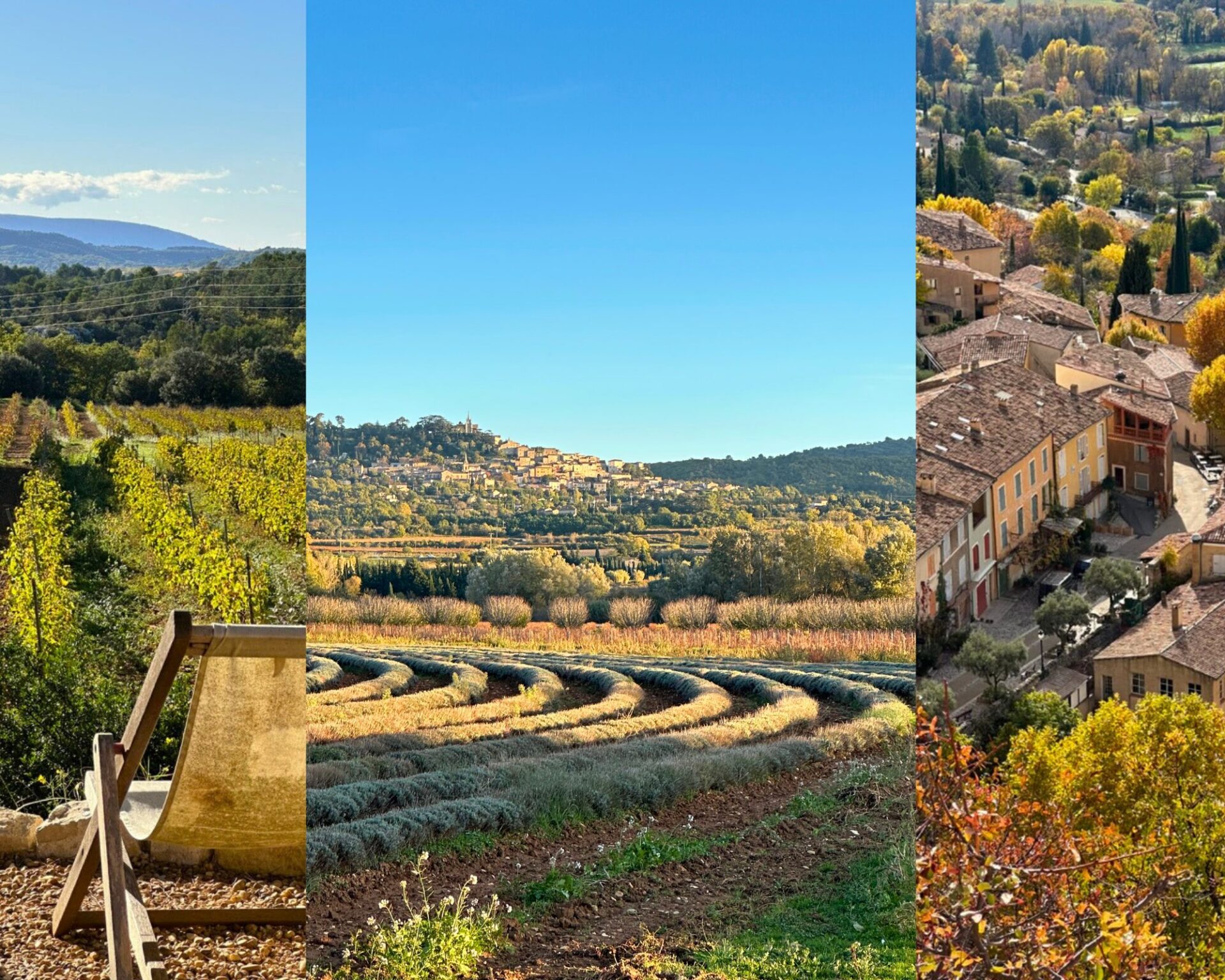
If you’re planning your first trip to the South of France, this Provence travel guide is the place to start. I spent a full month living in the region — slow traveling through hilltop villages, exploring local markets, and settling into the everyday rhythm of life in the Luberon Valley. This was my third time visiting France (my last stay was in Burgundy), but something about Provence just hit different. This wasn’t a quick holiday or a tour-bus loop. I was based in a fairytale-style Provencal cottage and spent my days exploring the region one road, one bakery, and one picnic at a time.
This guide is packed with honest, experience-based Provence travel tips — from how to get around, where to stay, and when to visit, to the small cultural details that make a big difference. Whether you’re dreaming of lavender fields, long lunches in the sun, or simply want a quieter escape into the countryside, these tips for visiting Provence will help you plan a trip that’s both meaningful and relaxed.
So grab a glass of rosé and settle in. This is your ultimate Provence travel guide for first-time visitors, packed with practical advice, personal tips, and all the reasons why this corner of France is absolutely worth slowing down for.
This post contains affiliate links, which means I may earn a small commission if you book through them — at no extra cost to you.
Table of Contents
Quick Overview: Provence Travel Guide for First Timers
- Where is Provence? Provence is a region in the South of France, known for its lavender fields, medieval hilltop villages, and Mediterranean coastline.
- Who is this guide for? These Provence travel tips are perfect for first-time visitors looking for authentic travel tips, scenic highlights, and how to plan the perfect visit with this Provence travel guide.
- Best time to visit Provence: One of my biggest tips for visiting Provence is when to visit. May to June and September to early October offer warm weather, fewer crowds, and seasonal charm. Read: Best Time to Visit Provence
- Do you need a car in Provence? A car is highly recommended to explore villages, vineyards, and countryside at your own pace.
- Where to stay: From boutique hotels and luxury estates to charming countryside cottages, Provence offers accommodations for every travel style. Read: Where to Stay in Provence Find Hotels in Provence on: Expedia | Booking.com | Trip.com
- Top things to do in Provence: Visit hilltop towns like Gordes and Roussillon, enjoy wine tasting, stroll through local markets, and picnic in lavender fields. Read: Best Things to Do in Provence
- Itinerary idea: Spend 7–10 days visiting Aix-en-Provence, the Luberon Valley, and Verdon Gorge for a mix of towns, nature, and food. Read: Provence Itinerary
- Related Reads: Best Towns to Visit in Provence | Best Luxury Hotels in Provence | Luberon Valley Travel Guide | Provence Guided Tours
Why Visit Provence?
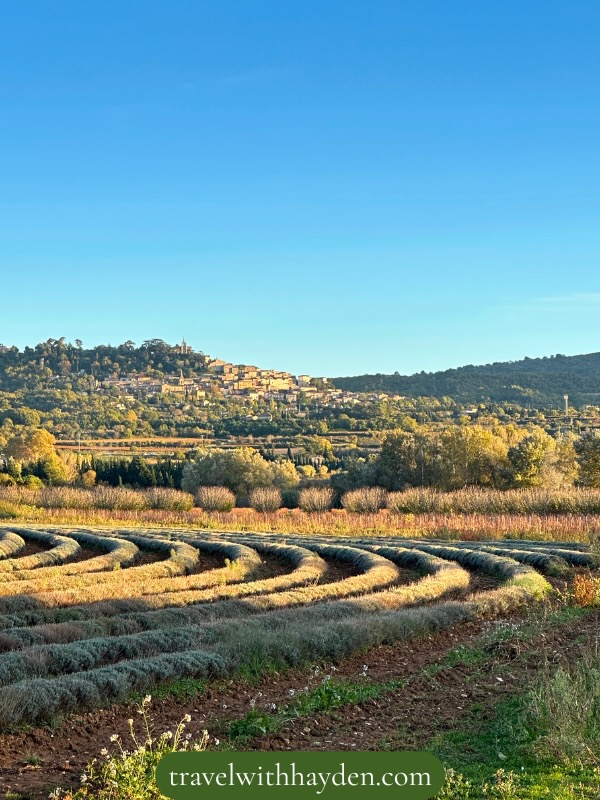
If you’ve ever seen a postcard of golden hills, stone villages perched on cliffs, and endless fields of lavender, there’s a good chance it was taken in Provence. But the real magic this region offers — and what you’ll find throughout this Provence travel guide — isn’t just in the views. It’s in the pace, the light, and the way life unfolds here without hurry.
I spent a full month living in the Luberon Valley, and every day felt like a slow exhale. Mornings started with trips to the local markets, afternoons were for exploring winding village lanes, and evenings ended with a glass of rosé while the sun slipped behind the olive trees. It’s a place that invites you to slow down, unplug, and simply enjoy being.
If you’re planning your first visit, these early reflections — along with the Provence travel tips throughout this post — will help you go beyond the typical highlights. Whether you’re drawn to the food, the villages, the light, or the landscape, these tips for visiting Provence will help you experience the region in a deeper, more meaningful way.
Timeless Villages and Stone Architecture
The villages of Provence look like something out of a French fairy tale — and many of them haven’t changed much in centuries. Towns like Gordes, Roussillon, and Bonnieux are all built with pale stone, narrow alleyways, and terracotta roofs. It’s not just scenic — it’s a step back in time.
(Pro tip: these towns are stunning at sunrise or golden hour when the tour buses are gone.)
Lavender Fields & Sunflower Seasons
Provence is world-famous for its lavender fields, especially from mid-June to mid-July. But even outside of peak season, the rolling hills and agricultural landscapes are jaw-droppingly beautiful. Depending on when you visit, you might also catch sunflowers, olive harvests, or vineyard colors changing in autumn.
Wine, Markets & Local Flavors
Food here isn’t just a meal — it’s a ritual. Local markets are the heartbeat of every village (and trust me, you’ll want to visit them all). From goat cheese and heirloom tomatoes to olives, lavender honey, and rosé wines, Provence is a feast for the senses.
Perfect for Slow, Scenic Travel
If you’re someone who prefers slow travel, Provence is a dream. Whether you’re walking through vineyards, biking through lavender fields, or just sitting in a shaded square watching village life unfold, there’s no pressure to rush. It’s not about seeing everything — it’s about soaking it in.
This slower rhythm is what made my month here so meaningful. I wasn’t just visiting Provence — I was living it.
When to Visit Provence
One of the first questions I thought of when making this Provence travel guide is: “When is the best time to visit Provence?”
The truth is, it depends on what kind of experience you’re after — lavender fields, fewer tourists, vineyard harvests, or summer festivals.
Read More: Best Time to Visit Provence
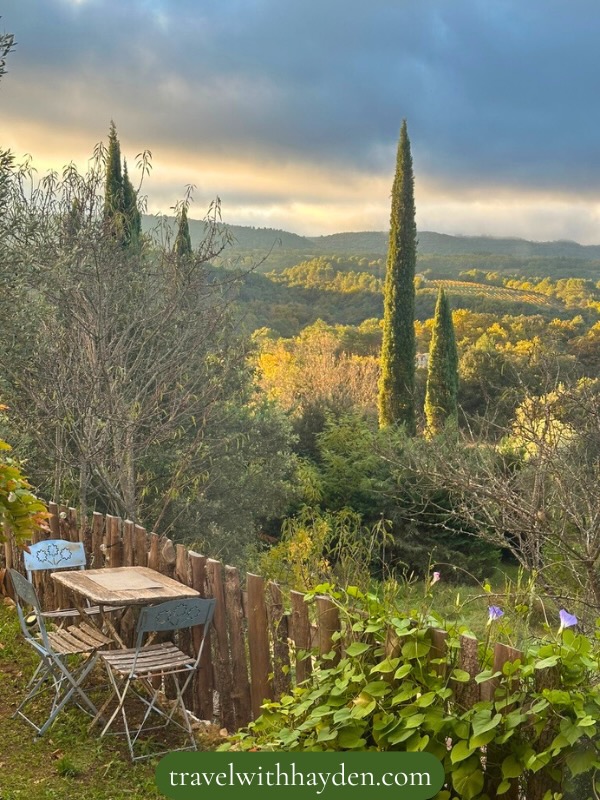
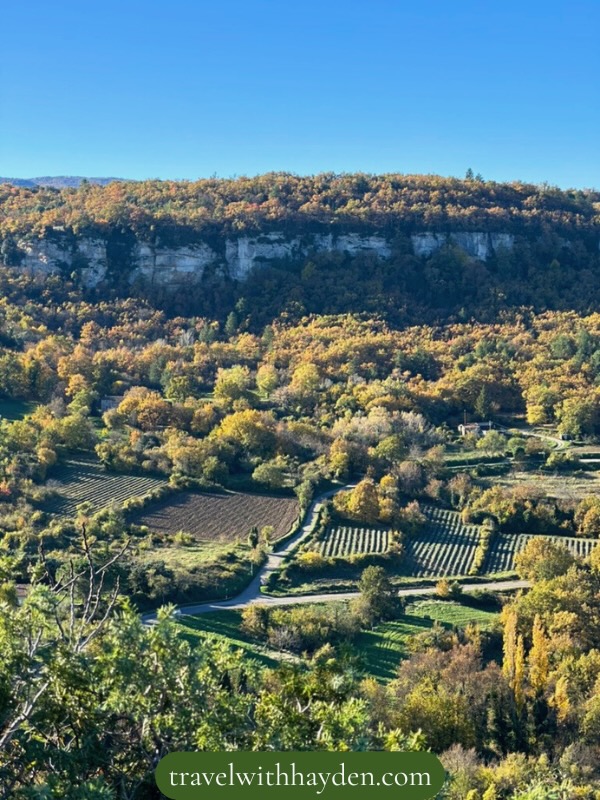
Since I spent a full month living in the Luberon Valley during late October and early November, I got to see Provence in its shoulder season, and honestly? It was magical — but with a few caveats you’ll want to plan around.
Let’s break it down by season so you can decide what’s best for your trip:
Autumn in Provence (September–November)
Best for: Fewer tourists, harvest season, golden landscapes
Downsides: Shorter days, seasonal closures (especially in November)
One of my top Provence travel tips is to visit during the shoulder season. This is when I visited, and I absolutely loved it. I spent the last two weeks of October and the first two of November in a quiet Provencal cottage tucked away in the Luberon Valley. The crowds were gone, the light was soft and golden, and the villages felt peaceful and local.
Markets were still open, wineries were finishing up harvest, and it was easy to find parking — something that’s nearly impossible in summer.
However, by early November, I started to notice more and more places closing for the season — restaurants, boutique shops, even a few tourist offices. By the time I left, many villages felt almost entirely shut down.
If you’re considering an autumn visit, I highly recommend October — not November.
Spring in Provence (April–June)
Best for: Wildflowers, fresh produce, fewer crowds
Spring is one of the most underrated times to visit Provence. The countryside is lush and green, the markets are full of fresh produce, and the lavender fields are just starting to grow (though they don’t bloom until summer). This is a great time for hiking, photography, and exploring villages before peak tourism kicks in.
Pro tips for visiting Provence: Early June is ideal if you want warm days and fewer tour buses.
Summer in Provence (July–August)
Best for: Lavender fields, festivals, long sunny days
Downsides: Crowds, heat, higher prices
This is Provence at its most iconic — think endless purple lavender fields, bright sunflower farms, and village squares buzzing with evening music. But it’s also the most crowded time of year, especially in popular spots like Gordes and Aix-en-Provence. Temperatures can get into the high 30s°C (90s°F), and accommodation prices peak.
If you’re visiting in summer, book your stays and car rental early — and hit the sights early in the day to avoid the heat.
Winter in Provence (December–February)
Best for: Quiet travel, Christmas markets, cozy stays
Downsides: Limited daylight, many closures, chilly weather
Winter is the true off-season in Provence. While some towns like Aix-en-Provence still have life (and even host lovely Christmas markets), many of the small villages go into hibernation. Expect shorter opening hours, limited restaurant options, and colder weather — especially in the hilltop towns.
This season is best suited for travelers looking for a quiet retreat and lower prices — but pack warm layers.
Read More: Best Time to Visit Provence
How to Get to Provence
Getting to Provence is easier than you might think — but as this Provence travel guide will show you, how you arrive can shape your entire trip. Your ideal route depends on where you’re coming from, how long you’re staying, and how you plan to explore once you’re here.
When I slow traveled through southern France as a digital nomad, I flew directly into Marseille, picked up a rental car at the airport, and drove into the Luberon Valley, where I was based for the month. It was the perfect setup. For me, having a car made all the difference — and it’s one of my top Provence travel tips, especially if you want to explore beyond the cities and tourist hubs.
If you’re planning your first visit, here are some key tips for visiting Provence — from arrival airports to transport options — to help you plan a smooth start to your trip:
Flying Into Provence
There are three major airports that serve the Provence region:
- Marseille Provence Airport (MRS) – This is the most convenient option for most travelers. It’s well-connected to European hubs and only about an hour’s drive from the Luberon Valley.
- Nice Côte d’Azur Airport (NCE) – A good choice if you plan to explore the French Riviera or eastern Provence first.
- Avignon-Provence Airport (AVN) – A small regional airport with limited flights, but a relaxed entry point if you’re flying within France.
If you’re coming from North America, you’ll likely fly into Paris (CDG) or Nice (NCE) first, then connect to Marseille or take a train.
Getting to Provence by Train
France’s high-speed TGV network makes it easy to reach Provence by train. Here are the main stations to consider:
- Avignon TGV – Fast and central; perfect if you’re heading to the Luberon or western Provence.
- Aix-en-Provence TGV – Convenient if you’re basing yourself in or near Aix.
- Marseille Saint-Charles – The region’s largest rail hub, well-connected to both local and national lines.
If you’re coming from Paris, the TGV will get you to Avignon or Aix in about 3–4 hours — and the scenery along the way isn’t bad either.
Pro Tip: If you’re relying on public transport, stay in larger towns like Aix-en-Provence or Avignon, where train and bus connections are stronger. Small villages are difficult to access without a car.
Do You Need a Car in Provence?
One of the most common questions I get from readers using this Provence travel guide is: “Do I really need a car?”
In short: yes — you’ll want a car.
Most of the best parts of Provence are off the main tourist routes — think small hilltop villages, remote wineries, lavender fields, and scenic backroads. Public transportation can get you between major towns, but it won’t take you to the places that really make Provence special.
As I mention in several of my Provence travel tips, having a car gives you complete freedom to explore at your own pace. I rented mine at the Marseille airport and drove everywhere from Gordes to Moustiers-Sainte-Marie with no problem.
Driving in Provence was easier than I expected (after adjusting to the narrow roads), and parking was generally free or affordable outside of the busiest towns. If you’re planning a countryside stay or want to follow your curiosity down backroads, having a car is one of my top tips for visiting Provence.
Guided Tours & Day Trips
If you’re not comfortable driving or just prefer to sit back and relax, there are plenty of guided tours that depart from cities like Aix-en-Provence, Avignon, and Marseille. These are great for visiting lavender fields, vineyards, and UNESCO sites like Palais des Papes or the Verdon Gorge without needing to navigate yourself.
Read More: Best Guided Tours in Provence: Day Trips, Wine Tastings & More
Best Towns and Villages to Visit in Provence


One of the most common questions I get from readers using this Provence travel guide is:
“What are the best towns to visit in Provence, especially for first-timers?”
There are dozens of beautiful villages scattered across the region, but here’s the thing — not all towns are created equal depending on what kind of experience you’re after. Some are full of energy, with art galleries, lively markets, and boutique hotels. Others are peaceful hilltop hideaways where life hasn’t changed much in centuries.
Read More: Best Towns & Villages to Visit in Provence
As someone who spent a full month slow traveling through the Luberon Valley, I had time to explore both kinds — and everything in between. These are the towns I personally recommend in this Provence travel guide, especially if you’re looking for authentic charm, great day trip options, and that iconic Provençal beauty.
Whether you’re after market mornings, sunset views, or a home base for exploring, the list below highlights my top Provence travel tips on where to go — and which villages are worth lingering in. These are tried-and-true tips for visiting Provence that go beyond the typical tourist stops.
Here’s a quick overview of the towns and villages I recommend most:
- Gordes – A hilltop icon with stunning valley views and traditional stone architecture. One of the most photographed villages in France.
- Roussillon – Famous for its red ochre cliffs and colorful streets — a dream for photographers and artists. Read more about Roussillon
- Lourmarin – A laid-back village with a strong creative vibe, a Renaissance château, and a lively Friday market.
- L’Isle-sur-la-Sorgue – Known for its canals, antique markets, and riverside cafés — perfect for a relaxed Sunday stroll.
- Bonnieux and Lacoste – Neighboring hill towns with authentic charm, fewer tourists, and incredible sunset views.
- Menerbes – A quieter, less-touristy gem surrounded by vineyards — great for food, wine, and Provençal authenticity.
- Saignon – A peaceful village perched above Apt with dramatic views and a tranquil local vibe — ideal for slow travelers.
- Fontaine-de-Vaucluse – Home to the deepest spring in France, this lush riverside village feels like a hidden retreat.
- Aix-en-Provence – A lively town with great food, shopping, markets, and a strong arts and university scene.
- Moustiers-Sainte-Marie – A stunning cliffside village near the Verdon Gorge, perfect for hiking and nature lovers.
Read More: Best Towns & Villages to Visit in Provence
Where to Stay in Provence


One of the most important parts of planning your trip — and something I get asked about often through this Provence travel guide — is where to stay in Provence. Your home base can completely shape your experience, especially if it’s your first visit.
Because I slow traveled here for a full month, I had time to explore different towns, but if you’re coming for a week or less, choosing the right base is one of my top Provence travel tips.
Here are my personal recommendations based on what kind of trip you’re looking for — whether it’s a quiet countryside escape or something with more urban energy. These are the tips for visiting Provence I wish I had the first time I came.
Best Base for a Countryside Stay: The Luberon Valley
If your Provence dreams involve stone cottages, lavender fields, and easy access to the most beautiful villages in Provence, then the Luberon Valley is where you want to be.
This was my home base during my month-long stay, and it was absolutely ideal. I lived in a storybook Provence cottagesurrounded by olive trees and golden hills, just minutes from Gordes, Roussillon, Bonnieux, and Lourmarin. Each morning, I could hop in the car and be in a different postcard-worthy village within 15–30 minutes.
This area is perfect for travelers who want a quiet, scenic base with flexibility to explore. It’s also one of my top Provence travel tips if you’re planning to rent a car and want a true countryside experience — without sacrificing convenience.
→ Full post coming soon: Provence Cottage: Cottagecore in the French Countryside
Best Base for a Town Experience: Aix-en-Provence
If you prefer a bit more buzz and culture, I can’t recommend Aix-en-Provence enough. It’s a medium-sized town with an artistic spirit, historic architecture, and some of the best markets in all of France. Think wide boulevards, outdoor cafés, and local rosé in every restaurant.
Aix has a cosmopolitan energy but still feels manageable and welcoming. It’s also a great choice if you don’t want to rent a car, since it’s well-connected by train and bus.
Plus, there are amazing hotels here — from stylish boutiques to elegant townhouses — and I’ll be recommending some favorites in an upcoming guide.
→ Coming soon: Where to Stay in Aix-en-Provence and Best Boutique Hotels in Provence
Optional: Marseille (for a Big City Feel)
If you’re flying into Marseille, you might consider spending a night or two here — especially if you want to experience a more urban, multicultural side of the South of France. It’s a vibrant port city with great seafood, museums, and access to the Calanques National Park.
That said, if your goal is to experience the quiet, sun-drenched essence of Provence, this might not be the place to stay long-term. Personally, I think Marseille is great for a quick stop — but it doesn’t reflect the true heart of Provence the way the Luberon or Aix does.
Types of Accommodation in Provence
Traditional Cottages and Gîtes
This was my personal choice — and I loved it. Renting a Provence cottage gives you the space and setting to truly slow down. Perfect for couples, long stays, or anyone chasing that rustic countryside charm.
→ Coming soon: Provence Cottage: Cottagecore in the French Countryside
Boutique Hotels
Provence has no shortage of boutique hotels — many set in renovated manor homes, tucked into olive groves, or located right in the heart of picturesque villages.
→ Coming soon: Best Boutique Hotels in Provence
Luxury Hotels and Wine Estates
For something more upscale, you’ll find elegant estates and luxury hotels across the region — often with pools, fine dining, and vineyard views.
→ Coming soon: Best Luxury Hotels in Provence
Chambres d’Hôtes / Guesthouses
Budget-friendly and often locally owned, these are a great way to connect with the culture and support small businesses. Some are simple, others are surprisingly stylish.
Provence Travel Tips for First-Time Visitors

This part of the Provence travel guide is where things get practical. Whether you’re dreaming of lavender fields and market mornings or trying to figure out how not to look like a total tourist, these are the Provence travel tips I wish I’d known before my first visit.
After living in the Luberon Valley for a month and exploring dozens of towns across the region, I’ve learned that it’s the small details that can make your trip easier, smoother, and way more enjoyable. These tips for visiting Provence are based on real-world experience — not generic advice.
Here’s what you’ll want to keep in mind before you go:
- Shops and restaurants close mid-day
One of the first things you’ll notice — and one of the most important Provence travel tips — is that things move slower here. Expect closures between 12:30 and 2:30 PM (sometimes longer), especially in small towns. Plan your meals and errands accordingly. - Sundays and Mondays are very quiet
Many places close completely on Sundays, and some shops and restaurants also take Mondays off. One of my early tips for visiting Provence: stock up on essentials ahead of time and plan slower days at the start of the week. - You don’t need fluent French — but basic phrases help
You don’t need to be fluent, but in this part of France, a little effort goes a long way. Start every interaction with a polite “Bonjour” — it’s not optional here, and skipping it can come across as rude. This small gesture is one of the most underrated Provence travel tips out there. - Market days vary by town
Provençal markets are iconic, but they only happen on certain days of the week. One of my favorite tips for visiting Provence is to build your itinerary around market days. You’ll get a more local experience — and incredible food to boot. - Card payments are common, but carry some cash
Most places take cards, but farmers’ markets, boulangeries, and small cafés still appreciate cash — and sometimes require it for small purchases. It’s a simple Provence travel tip that’ll save you stress when you’re standing in line for that perfect croissant. - Tipping isn’t required — but rounding up is polite
In France, service is included in the bill. That said, if your server is great, leaving €1–2 is a nice gesture. This one’s less of a rule and more of a travel tip for Provence that shows appreciation. - October is a sweet spot — but November gets quiet
I visited in late October into early November. While October was peaceful and still active, by mid-November, many shops and restaurants had closed for the season. A key tip for visiting Provence in the fall: aim for early to mid-October to enjoy shoulder season perks without missing out. - Avoid over-planning
One of the biggest themes in this entire Provence travel guide is this: leave room for spontaneity. The best moments in Provence happen when you’re not rushing — whether it’s stumbling upon a village festival or sitting in a square watching the world go by. - Get an eSIM before you arrive
I used Airalo to stay connected during my time in Provence. It worked flawlessly — no need to search for local SIM cards or rely on café Wi-Fi. If you’re planning to drive, use maps, or work remotely, this is one of the most practical Provence travel tips I can give you. - Rent a small car
Village streets can be extremely narrow — especially in older towns. A compact car will make your life much easier (and less stressful when parking). - Don’t rely solely on Google Maps
While great for main roads, it can lead you down narrow alleys in villages or miss road closures. Use it with some common sense — and always follow local road signs.
How to Get Around Provence
If you’re using this Provence travel guide to plan your trip, here’s one of the most important things you should know right up front: you need a car to see the best of the region. One of my top Provence travel tips — especially if you want to explore beyond the big towns — is to rent a car and drive.
I flew into Marseille, picked up a rental at the airport, and spent a month slowly exploring vineyards, hilltop villages, markets, and winding countryside roads. Without a car, I would’ve missed out on most of what made this trip so memorable.
That said, there are still options if you’re staying in larger towns and want to use guided tours or public transportation— and I’ll break those down below. But if you want to follow the tips for visiting Provence that really let you experience it fully, getting behind the wheel is the way to go.
- By car (highly recommended)
This is hands-down the best way to see Provence. If you’re staying in the countryside or planning to visit villages like Roussillon, Bonnieux, or Saignon, a rental car gives you the freedom to explore on your own schedule. Roads are in good shape, and parking is often free or low-cost — especially outside the peak season.
One of my essential Provence travel tips: rent a small car. Many village roads are incredibly narrow, and parking can be tight. - By train: Provence’s TGV network connects major towns like Aix-en-Provence, Avignon, and Marseille. Great for getting between cities but doesn’t reach rural areas. Perfect if you’re doing a city-based itinerary.
- By regional bus: Some bus lines connect mid-sized towns, but they run infrequently — and often not on weekends. Not ideal for flexibility or village-hopping, but possible if you’re staying in one area.
- By guided tour: One of the best tips for visiting Provence without a car is to book a few well-planned day tours. From cities like Aix-en-Provence, Avignon, or Marseille, you can join guided trips to places like the Verdon Gorge, lavender fields, hilltop villages, and wine estates.
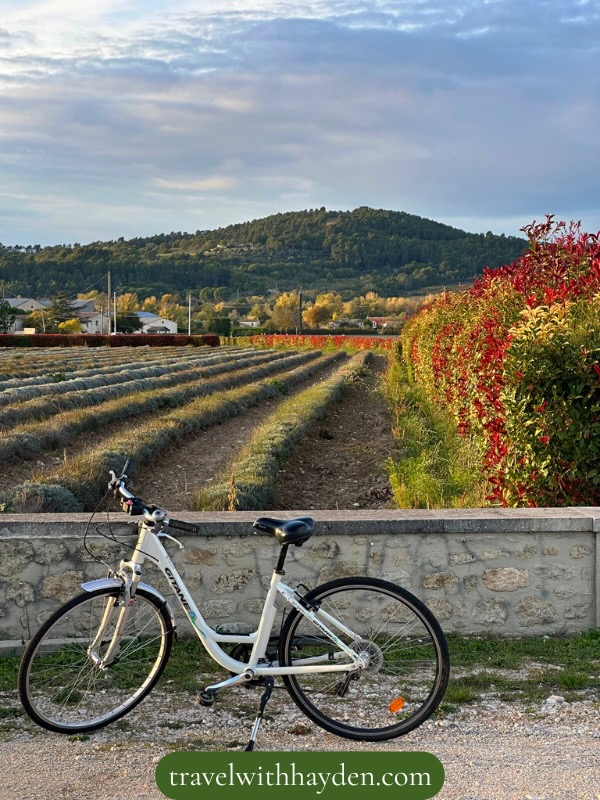
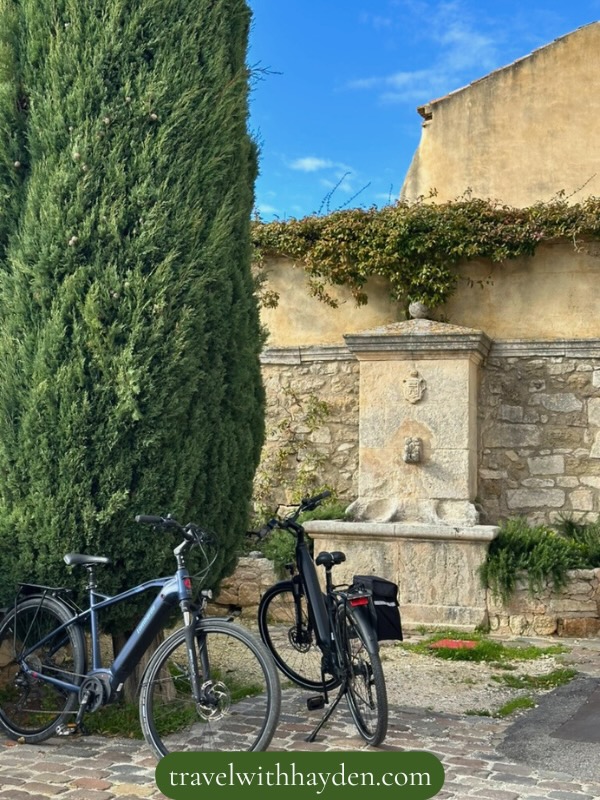
- By bike: Some areas — especially around the Luberon — are popular with cyclists, and you’ll find bike rentals in many towns. Great for day trips, but not ideal for covering long distances unless you’re experienced.
- On foot (within towns only): Most villages and towns in Provence are compact and walkable, which is part of their charm. But don’t count on walking between them — they’re often separated by several kilometers of countryside.
Top Things to Do in Provence


No Provence travel guide would be complete without a list of unforgettable experiences — and trust me, there’s no shortage. From sun-drenched vineyards and colorful markets to cliffside villages and natural wonders, Provence is packed with slow, scenic, soul-filling things to do.
Read More: Best Things to Do in Provence, France
Whether you’re planning a one-week itinerary or an extended stay like I did, these are the essential Provence travel tips for what to see and do. And if you’re visiting for the first time, consider this your cheat sheet — a curated list of tips for visiting Provence that go beyond the obvious.
Here are some of the best things to do in Provence:
- Wander through local markets
Nearly every town has its own market day, filled with fresh produce, cheese, flowers, and handmade goods. These markets are where the heart of Provence really lives — loud, colorful, and full of life. - Go wine tasting in the countryside
Provence is known for its rosé, but there’s a growing number of incredible reds and whites too. You’ll find vineyards open for tastings in areas like the Luberon, Châteauneuf-du-Pape, and the Côtes de Provence.→ Full guide coming soon: Wine Tasting in Provence - Have a picnic with a view
Grab some bread, cheese, fruit, and a bottle of local wine from the market, then find a quiet overlook or vineyard for a slow, scenic lunch. It’s one of the simplest — and most iconic — Provence experiences.→ Inspiration here: Picnic in Provence - Take a guided tour for local insight
Whether it’s a cooking class, a wine tour, or a guided hike, tours are a great way to go deeper. Especially if you’re short on time or don’t have a car, Provence guided tours can get you to lavender fields, perched villages, and hidden gems.→ Recommendations coming soon: Provence Guided Tours - Visit the hilltop villages
Towns like Gordes, Bonnieux, Roussillon, and Saignon are filled with charm, scenic views, and winding cobblestone streets. Each one has its own vibe, and they’re even better when explored slowly and without a tight schedule.→ Don’t miss: Best Towns to Visit in Provence - Hike or kayak in the Verdon Gorge
Known as the “Grand Canyon of Europe,” the Gorges du Verdon is a must if you love the outdoors. You can rent a kayak, hike along cliffside trails, or just take in the views from scenic drives.→ More info: Verdon Gorge Travel Guide - Photograph the lavender fields (in season)
The best time to see lavender fields in Provence is mid-June through mid-July. The Valensole Plateau is the most famous area, but you’ll also find fields around Sault and the Luberon. - Explore by bike or on foot
Provence is perfect for slow exploration. Rent a bike and ride between villages in the Luberon, or hike through vineyards and old Roman trails. Just bring water — the sun can be intense even in spring and fall.
Read More: Best Things to Do in Provence, France
Provence Itinerary Ideas
If you’re not sure how many days you need in Provence, I’d recommend at least 7 to 10 days if you really want to slow down and experience it properly. That gives you time to explore multiple villages, visit markets, enjoy long lunches, and even fit in a day trip or two.
I spent a full month here as part of my slow travel lifestyle, but even in a week, you can cover a lot — especially if you base yourself in the Luberon Valley or Aix-en-Provence.
Here are a few Provence itinerary ideas to help you start planning:
- 5-Day Provence Itinerary (Quick Highlights)
Ideal if you’re short on time. Base yourself in Aix-en-Provence or Avignon, explore a few key villages, and take one guided tour to see more without driving.→ Post coming soon: 5 Days in Provence Itinerary - 7-Day Provence Itinerary (Classic Countryside Escape)
A full week lets you settle in. Stay in the Luberon Valley, explore towns like Gordes, Roussillon, and Lourmarin, and plan a market day and a wine tasting. Perfect for first-timers.→ Full guide coming soon: One Week in Provence - 10-Day Provence Itinerary (Slow Travel Style)
My top pick if you want time to breathe. Split your stay between Aix and the Luberon, or do a countryside rental the entire time. Add in a day trip to the Verdon Gorge, enjoy some hikes, and maybe even a cooking class.→ More details: Provence Itinerary (7–10 Days) - Seasonal Itineraries (Autumn or Spring Focused)
Autumn offers golden vineyards and fewer crowds, while spring gives you wildflowers and market season without the summer rush. Both are ideal for slower, quieter trips.→ Post coming soon: Provence in Autumn, Best Time to Visit Provence
Final Thoughts on Visiting Provence
I hope this Provence travel guide has helped you feel more confident and excited about planning your trip. Whether you’re dreaming of quiet village mornings, long lunches under olive trees, or scenic drives through the Luberon, the real magic of Provence lies in its slower pace — and in the details you won’t find in every guidebook.
From where to stay and how to get around to the best towns and most useful Provence travel tips, this guide is designed to give you everything you need for a meaningful experience — especially if it’s your first time visiting. Slow travel is how I connect with a place, and I created this guide to help you do the same.
If you’re looking for more tips for visiting Provence, be sure to check out the rest of my upcoming posts — from detailed town guides and day trip ideas to seasonal tips and hotel recommendations. This is just the beginning of my full Provence travel guide series, and every post is written from real-life experience to help you skip the tourist traps and dig a little deeper.
No matter how long you stay, I hope you fall in love with this place the way I did. Happy travels — and if this guide helped you, I’d love for you to stick around and keep exploring with me.
FAQs Provence Travel Tips
What should I know before visiting Provence for the first time?
Provence runs on a slower pace — and that’s part of its charm. Expect shops and restaurants to close midday, especially in small villages. Sundays and Mondays can be very quiet. Knowing a few basic French phrases goes a long way. And don’t try to cram too much into your itinerary — leave space for long lunches, market wanders, and spontaneous detours.
Is Provence expensive for tourists?
It can be, but it doesn’t have to be. Prices are higher in the summer and in popular towns like Gordes or Aix, but visiting in the shoulder season (May, September, October) can help your budget stretch further. Markets, picnics, and countryside stays offer great value.
Do I need a car to visit Provence?
Yes — if you want to explore the villages and countryside properly. Public transport is limited outside of cities. A car gives you the freedom to reach the real gems of the region at your own pace.
Is it easy to get around Provence by car?
It is! Roads are in great condition, and most signs are easy to follow. Just rent a small car — village roads can be tight, and parking can be limited in summer.
When is the best time to visit Provence without crowds?
Late spring (May–early June) and early autumn (late September–October) are the sweet spots. The weather is still beautiful, but the tour buses and cruise ship crowds are mostly gone.
Is Provence safe for solo travelers?
Yes — I found Provence to be very safe, especially in the countryside. Like anywhere, stay aware of your surroundings in cities and train stations, but overall it’s a peaceful region and great for solo travel.
Do I need to speak French in Provence?
Not necessarily — many locals speak some English, especially in tourist areas. But learning a few basics (“Bonjour,” “Merci,” “Où est…?”) makes a big difference and is appreciated. Don’t skip the greeting when you walk into a shop or café — it’s considered rude not to say hello.
How many days do you need in Provence?
I recommend at least 7 days if you want to experience both villages and cities without rushing. You can see the highlights in 5 days, but 10+ days allows for slow travel, day trips, and time to really settle into the rhythm of the region.
Is Provence worth visiting?
Absolutely! From the delicious food and wine to the idyllic villages and towns to the bustling markets and gorgeous weather, Provence remains one of France’s most beautiful and iconic regions for a good reason.
Pin this Post for Later!-Provence Travel Tips