
Table of Contents
Quick Overview: Best Time to Visit Doubtful Sound
- Best overall months: November (Hayden’s pick), summer (Dec–Feb), and spring (Sep–Nov)
- Summer (Dec–Feb): Warmest, popular for kayaking/swimming on overnight cruises — book early
- Autumn (Mar–May): Moody skies, great for photographers, fewer crowds
- Winter (Jun–Aug): Quietest, misty landscapes, lowest prices
- Spring (Sep–Nov): Active wildlife, flowing waterfalls, fewer tourists
- Wildlife highlights: Dolphins (year-round), Penguins (spring), Seals & birdlife (best in warmer months)
- Cruises run all year: Overnight cruises limited in winter
- Tour Options & Booking Links:
- Day Trip to Doubtful Sound from Queenstown
- General Doubtful Sound Day Cruise
- Doubtful Sound Overnight Cruise
- Related Reads: Doubtful Sound Complete Travel Guide | Which Doubtful Sound Cruise Experience Is Right for You? | Milford Sound vs. Doubtful Sound | How to Get to Doubtful Sound
This post contains affiliate links, which means I may earn a small commission if you book through them — at no extra cost to you.
Tucked deep within Fiordland National Park, Doubtful Sound is one of New Zealand’s most remote and untouched natural wonders. While it’s technically a year-round destination, the experience you have can vary dramatically depending on when you go — from quiet, misty mornings in winter to long summer days filled with kayaking and wildlife spotting. So, when is the best time to visit Doubtful Sound?
In this guide, I’ll break down everything you need to know about the seasons — including typical Doubtful Sound weather, crowd levels, cruise availability, and wildlife activity. Whether you’re hoping to avoid the peak crowds, photograph dramatic waterfalls, or figure out the Doubtful Sound best month to visit based on your travel style, this post will help you plan the perfect time to go.
Doubtful Sound Weather by Season

Despite its remote location, Doubtful Sound is accessible year-round — but the experience varies dramatically depending on the season. If you’re wondering about the best time to visit Doubtful Sound, the answer depends on your travel style, tolerance for rain, and whether you prefer solitude or sunshine. Fiordland is known for its rainfall — it’s part of the magic — so no matter when you go, expect a mix of sun, mist, wind, and showers. Sometimes, all four in a single day.
Here’s a breakdown of Doubtful Sound weather by season, along with what to expect from wildlife, crowds, and cruises.
Spring (September–November)
This is when I visited, and honestly, it was incredible. Spring in Doubtful Sound brings lush greenery, blooming alpine plants, active wildlife, and those legendary downpours that transform every cliff into a waterfall. Yes, it rained a lot — but that’s exactly what made it so unforgettable.
- Average temps: 6°C to 15°C (43°F to 59°F)
- Daylight: Increasing from 10 to 14 hours
- Rainfall: Frequent but photogenic — waterfalls everywhere
- Crowds: Moderate; increasing in late November
- Best for: Waterfall lovers, wildlife enthusiasts, shoulder-season explorers
Pro Tip: Don’t be scared off by rain. November was stunning — the waterfalls were next-level, and the crowds were low enough to feel the quiet.
Summer (December–February)
Summer is easily the most popular — and often considered the best time to visit Doubtful Sound. You’ll get longer days, warmer weather, and more predictable cruise departures. It’s also the best season for kayaking, swimming (yes, some brave folks do it), and stargazing on overnight cruises.
- Average temps: 10°C to 20°C (50°F to 68°F)
- Daylight: Up to 15 hours
- Rainfall: Still common, but usually lighter and less frequent
- Crowds: Peak season — book cruises early, especially over the holidays
- Best for: Active travelers, warmer weather, full-day or overnight cruises
Pro Tip: If you’re keen on kayaking or swimming, summer is the time — just plan ahead, because spots book up fast.
Autumn (March–May)
Autumn brings cooler temps and a noticeable drop in visitor numbers. You’ll still get a mix of sunny and rainy days, but this shoulder season offers a moodier atmosphere — perfect for dramatic landscape photography and quieter cruises.
- Average temps: 6°C to 16°C (43°F to 61°F)
- Daylight: Decreasing from 13 to 10 hours
- Rainfall: Moderate, with misty mornings and moody skies
- Crowds: Thinning out, especially late autumn
- Best for: Photographers, couples, travelers avoiding crowds
ProTip: Autumn is underrated. If you’re after peaceful landscapes and misty vibes, this is one of the best times to go.
Winter (June–August)
Winter is the coldest — and quietest — time to visit. While some overnight cruises pause during these months, a few still operate depending on demand and weather. If solitude and raw, dramatic beauty are what you’re after, this could still be the best time to visit Doubtful Sound for you.
- Average temps: 2°C to 10°C (36°F to 50°F)
- Daylight: As little as 9 hours
- Rainfall: Frequent and heavy — but that means epic waterfalls
- Crowds: Minimal — you might feel like you have the Sound to yourself
- Best for: Budget travelers, solitude seekers, dramatic scenery lovers
Pro Tip: Don’t rule out winter — the atmosphere is surreal. Just pack warm and check cruise availability in advance.
When Is the Best Time to Cruise Doubtful Sound?
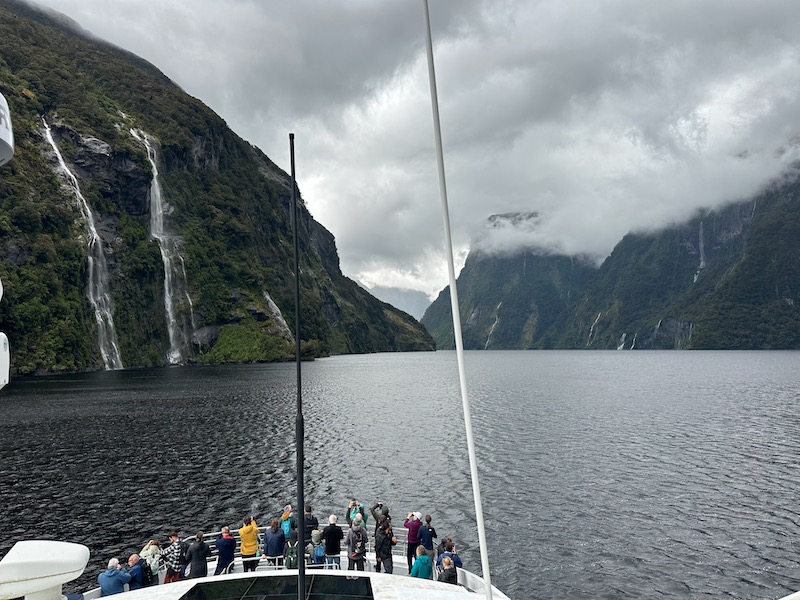
One of the best ways to experience this remote fjord is by boat — and the good news is, Doubtful Sound cruises run year-round. That said, the best time to visit Doubtful Sound really depends on the type of cruise you’re after and what kind of atmosphere you’re hoping for. Weather, crowds, and cruise availability all shift with the seasons, and each time of year offers something different.
Cruises Run Year-Round, But Conditions Vary
You’ll find two main types of Doubtful Sound cruises:
- Day Cruises (most common, run year-round)
- Overnight Cruises (more immersive, not always available in winter)
Day cruises run consistently throughout the year, even during the colder months. Overnight cruises, on the other hand, are more seasonal and typically run from spring through autumn, pausing in winter depending on Doubtful Sound weather and demand.
Best Time for a Day Cruise
If you’re based in Queenstown or Te Anau and short on time, a day cruise is the most convenient option. You’ll still get to experience the full journey — from the Lake Manapouri ferry to the Wilmot Pass coach and the iconic cruise through Doubtful Sound.
- Summer (Dec–Feb): Long daylight hours and relatively calm weather make this the most popular time. Definitely the best time to visit Doubtful Sound if you want sunshine and smoother waters.
- Spring & Autumn: These shoulder seasons are quieter, with dramatic waterfalls and fewer people. Many consider this the Doubtful Sound best month to visit window — especially March and November.
- Winter (Jun–Aug): Expect moody skies, mist, and near-total solitude. Cold, yes — but the photography opportunities are next level.
Best Time for an Overnight Cruise
A Doubtful Sound overnight cruise gives you a rare chance to sleep in the fiord, far from civilization. These trips include meals, kayaking, nature talks, and sometimes even swimming — though that’s definitely for the brave.
- Best Months: November through March offer the most reliable weather and cruise availability — often considered the best time to visit Doubtful Sound for an overnight stay.
- Summer: Perfect for kayaking and being out on deck in the evenings. It’s also peak booking season, so plan early.
- Winter: A handful of overnight sailings may still run, but Doubtful Sound weather is less predictable. If you’re okay with cold, quiet, and potentially dramatic scenery, it could be worth it.
Pro Tip: Planning an overnight cruise in summer? Book early. These sell out quickly — especially around the holidays. For a balance of good weather and fewer people, late November or early March is often considered the Doubtful Sound best month to visit.
Cruise Types Available by Season
| Season | Day Cruises | Overnight Cruises | Notes |
|---|---|---|---|
| Summer | Yes | Yes | Most options available; peak demand |
| Autumn | Yes | Limited | Quieter, great for moody scenery |
| Winter | Yes | Possibly limited | Stunning atmosphere, check availability |
| Spring | Yes | Yes | My personal pick — waterfalls + wildlife |
Wildlife Sightings by Season
Doubtful Sound isn’t just about waterfalls and moody landscapes — it’s also one of the best places in New Zealand to spot rare and native wildlife. From playful pods of bottlenose dolphins to the elusive Fiordland crested penguin, each season brings its own set of highlights. Cruises often include commentary on local species, so keep your camera ready and your eyes peeled.
No matter when you visit, Doubtful Sound offers the chance to spot some incredible wildlife — but certain animals are more active in specific seasons. If spotting wildlife is high on your list, timing your trip right can help you decide on the best time to visit Doubtful Sound.
Bottlenose Dolphins — Year-Round
Fiordland is home to a unique population of bottlenose dolphins, which are larger and more resilient than those found elsewhere in New Zealand. They’re seen year-round in Doubtful Sound, often swimming alongside cruise boats or playing in the wake.
- Most active in spring and summer when water temperatures rise
- Can be seen on both day and overnight cruises
- Often travel in small pods
Fiordland Crested Penguins — Spring (Sept–Nov)
These rare and elusive birds are best spotted in spring (September–November), when they return to the area to nest. If penguin sightings are a priority, early spring is likely the Doubtful Sound best month to visit for your itinerary.
- Usually spotted on rocks or near the shore
- Spring (especially October–November) is the best window
- Shy and elusive — binoculars are helpful!
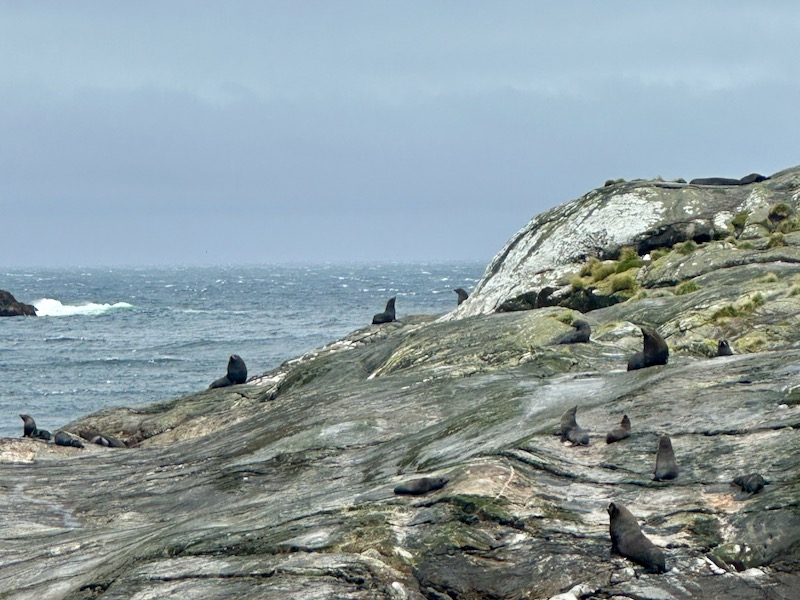
New Zealand Fur Seals — Year-Round
You’ll often spot fur seals basking on rocky outcrops or diving in the water. These guys are around in all seasons and are usually easy to spot during any cruise.
- Look for them lounging on rocks near the fiord’s entrance
- Most active on sunny days
- Often seen during day cruises and overnight trips
Native Birdlife — Best in Spring & Summer
Native birds — including kea, kaka, tui, and bellbirds — are active all year, but especially vocal in spring, which many consider the best time to visit Doubtful Sound for birdwatching.
- Tūī: Recognizable by their melodic calls and iridescent feathers
- Kea: The world’s only alpine parrot — cheeky and curious
- Other birds: Bellbirds, fantails, and the occasional morepork (ruru)
Pro Tip: Early morning is best for bird sounds — if you’re on an overnight cruise, try stepping out at dawn.
Crowds & Pricing by Season
When you visit Doubtful Sound doesn’t just affect the weather — it also impacts how many people you’ll be sharing the experience with and how much you’ll pay for it. While this remote fiord is never exactly “crowded” compared to Milford Sound, there are noticeable differences between peak and off-peak seasons, especially when it comes to cruise availability and pricing.
Here’s how the seasons stack up:
| Season | Crowd Levels | Cruise Pricing |
|---|---|---|
| Summer | High – busiest season | Highest – book early |
| Autumn | Balanced – fewer crowds | Moderate |
| Winter | Lowest – very quiet | Discounted/off-season rates |
| Spring | Light to moderate | Moderate – rising in Nov |
Summer (Dec–Feb)
This is peak season in Fiordland, especially around the holidays and into January. Day cruises and especially overnight options book out fast, and you’ll notice more tour buses and full boats.
- Expect higher prices, limited availability on popular dates
- Ideal for those seeking the best weather and longest days
- Book 2–3 months in advance for overnight cruises
Autumn (Mar–May)
As the busy season winds down, autumn offers a sweet spot: fewer travelers, better availability, and more flexibility. Prices may start to dip slightly, especially in late autumn.
- A great option for spontaneous travelers
- Ideal if you prefer quiet experiences over warm weather
- Moderate pricing and good cruise availability
Winter (Jun–Aug)
Winter is the least crowded and most affordable time to visit. Cruise boats often feel semi-private, and deals are easier to find. Some overnight cruises pause during this time, though day cruises continue to operate.
- Best season for budget travelers
- Cold and wet, but extremely peaceful
- Limited daylight, but dramatic scenery
Spring (Sep–Nov)
Spring offers that “just right” balance: active wildlife, fewer crowds than summer, and fair prices. It’s a particularly good time to find availability on overnight cruises before the summer rush hits.
- Mid- to late spring sees rising demand (especially in Nov)
- Waterfalls and wildlife are in full swing
- Moderate pricing, rising closer to summer
Final Thoughts — What’s the Best Time for You?
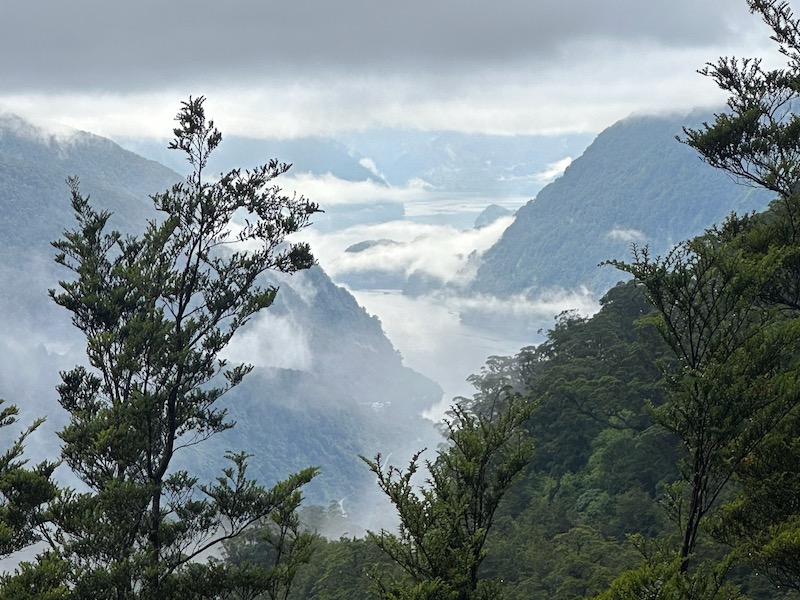
If you’re trying to decide the best time to visit Doubtful Sound, it really comes down to what kind of experience you’re after. For me, November was perfect — it hit that sweet spot of wild waterfalls, moody skies, and hardly any other visitors. The rain only added to the drama, and honestly, the unpredictable Doubtful Sound weather made it all feel even more raw and real. That mix of solitude, nature, and shifting light is something I still think about long after leaving. If you’re someone who appreciates quieter travel and doesn’t mind leaning into whatever the weather throws your way, late spring might just be the Doubtful Sound best month to visit.
That said, every season offers something different. Summer brings long days and more stable conditions — ideal for kayaking or overnight cruises. Spring and autumn deliver lush landscapes, active wildlife, and fewer crowds, while winter strips it all back to silence, snow-dusted peaks, and empty decks. There’s really no wrong time to go, which is why figuring out the best time to visit Doubtful Sound is less about finding the “perfect” season, and more about matching the vibe to your travel style. Whenever you go, expect to be humbled by the scale and silence of this place — it’s one of the few corners of New Zealand that still feels truly wild.
Need more info? Find the rest of my Doubtful Sound travel guides!
FAQs Best Time to Visit Doubtful Sound
These are some of the most common questions travelers ask about planning the best time to visit Doubtful Sound. If you’re still on the fence about the best time to go, these quick answers should help clear things up.
Can you visit Doubtful Sound in winter?
Yes, you can! Day cruises operate year-round, including in winter. The fiord is especially atmospheric in the colder months — think moody mist, snow-capped peaks, and very few crowds. Just keep in mind that some overnight cruises may pause during winter, so check availability before booking.
Are Doubtful Sound cruises canceled often due to rain?
No — rain is actually part of the Doubtful Sound experience! Cruises run in most weather conditions, and rain often makes the scenery even more dramatic, with dozens of waterfalls pouring down the cliffs. However, extreme weather (like high winds) could occasionally cause cancellations, so travel insurance is a good idea.
Is summer too crowded in Doubtful Sound?
Summer is the busiest time of year, especially from late December through January. That said, it’s still nothing like the crowds you’ll find at Milford Sound. Just book your cruise early, especially if you’re planning to go overnight or around the holidays.
What’s the best time for photographers?
Autumn and winter are ideal for moody, atmospheric shots — think fog, low light, and dramatic skies. Spring is great for waterfalls and greenery, while summer offers clearer conditions and longer golden hours.
Can I see dolphins all year in Doubtful Sound?
Yes! Bottlenose dolphins are present year-round in Doubtful Sound. They’re often seen swimming near cruise boats in small pods, especially in the warmer months when they tend to be more active.